The science behind your water.
Rooted in nature. Recreated by engineering. Backed by institutions.
This is not marketing. This is peer-reviewed, published, institutional science — applied to the glass on your kitchen counter.
The healthiest water on earth already exists.
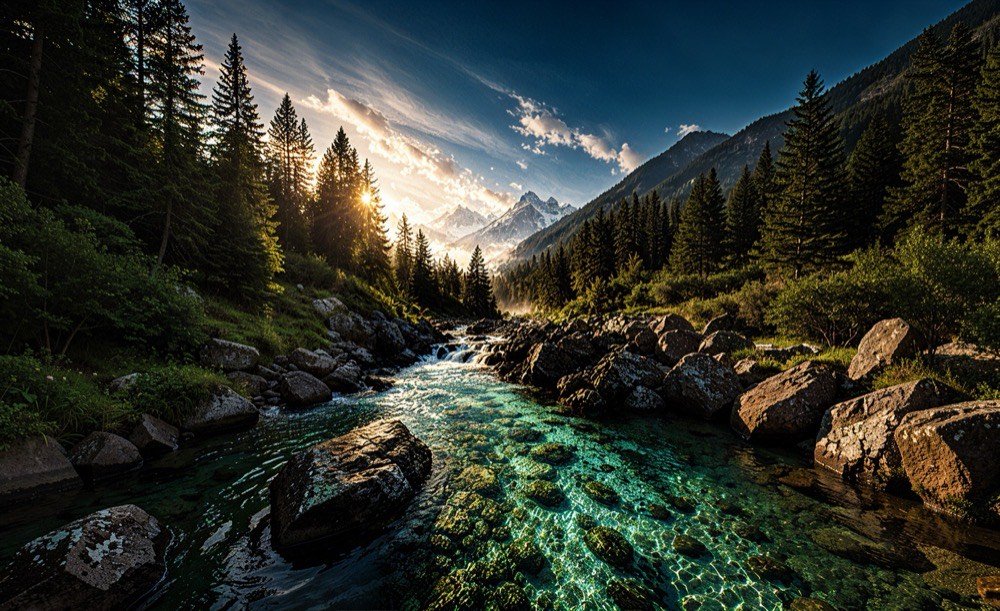
Mountain spring water — flowing over mineral-rich rock for centuries. Naturally alkaline. Naturally hydrogen-rich. Naturally carrying a deeply negative ORP. The Hunza Valley. The Caucasus. Okinawa. The communities that lived near these sources didn't treat their water. They didn't need to. Nature had already restructured it.
But you don't live on a mountain. Your water comes through municipal pipes, sits in rooftop tanks, and passes through an RO membrane that strips everything — good and bad.
Your RO made water safe. It also made it empty.
RO is brilliant at one thing: removing what shouldn't be there. Heavy metals, bacteria, excess TDS — gone. But RO doesn't discriminate. It also strips essential minerals, flattens pH toward acidic, eliminates dissolved hydrogen, and pushes ORP deep into positive territory.

The result? Water that is clean. Dead-clean. Safe to drink. But not what mountain water was.
Most Indian homes have an RO. Almost none have what comes after it.
After RO
Mountain Spring
Electrolysis. The bridge between a mountain and your kitchen.
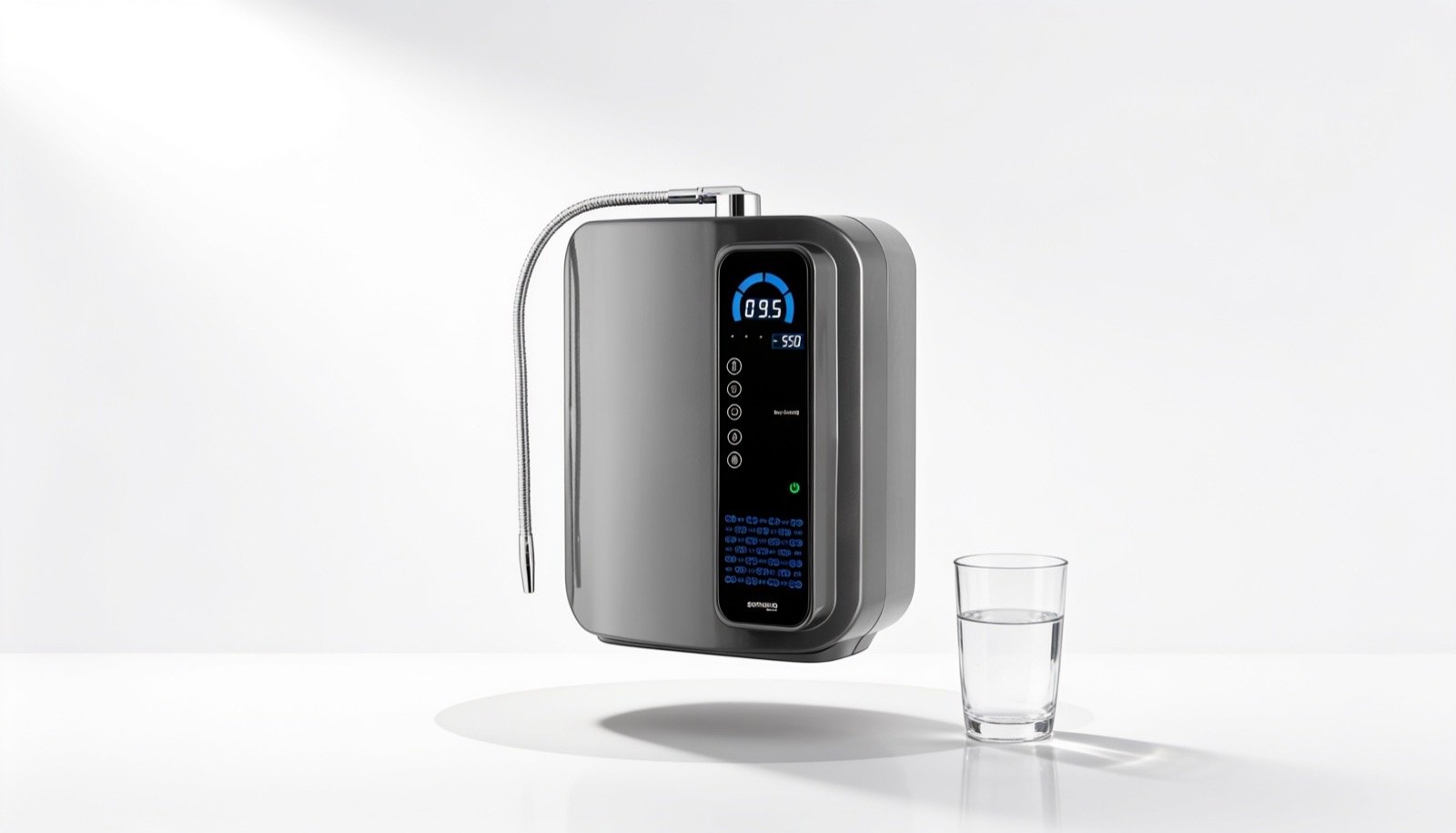
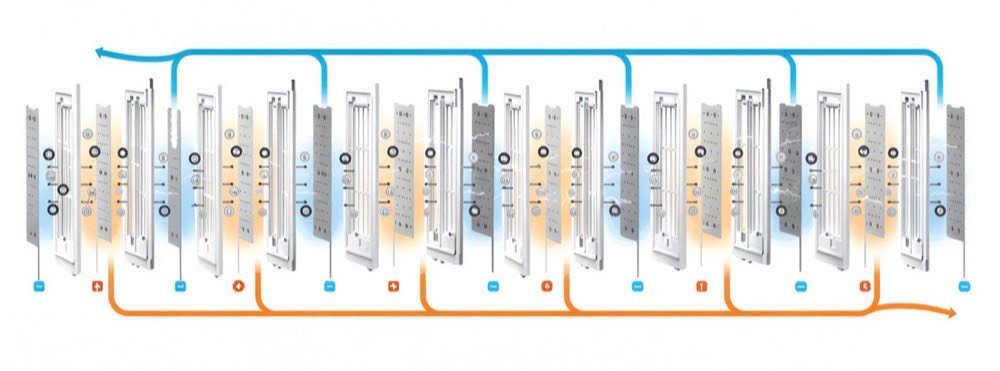
Water passes over platinum-titanium plates under a precise electrical charge. The process splits water molecules, restructures their arrangement, dissolves molecular hydrogen, adjusts pH, and shifts ORP into negative territory.
It doesn't add anything to your water. It rearranges what's already there — the way a mountain stream does naturally, but engineered for control and consistency. Every glass, every time.
Alkaline water. pH 5.5 to 10.5, selectable.
The pH scale runs from 0 to 14. Below 7 is acidic. Above 7 is alkaline. Your RO water typically sits around 5.5 to 6.5 — on the acidic side. Mountain spring water? 7.5 to 9.0.
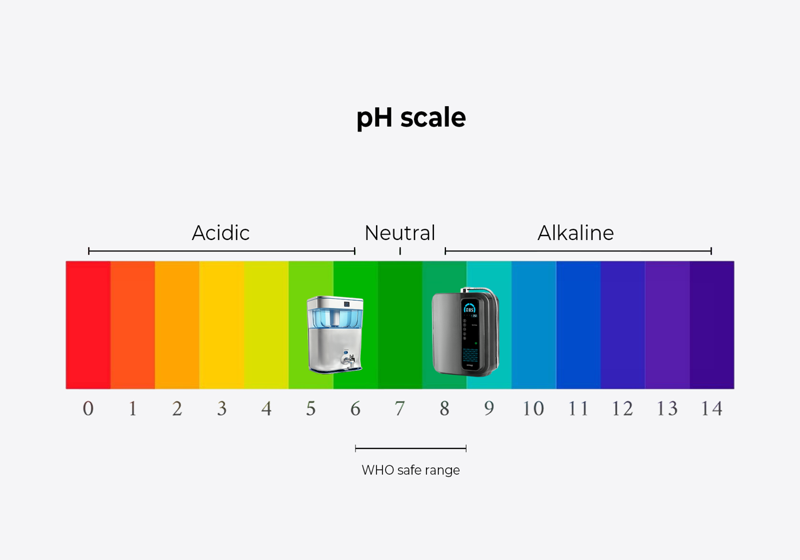
A SOMAWA ionizer gives you the full range. Select the pH to match the moment — daily drinking at 8.5, cooking at 9.0, beauty care at 5.5, surface cleaning at 10.5. One machine. Five distinct water types.
Dr. Otto Warburg's 1931 Nobel-recognised research on cellular oxygenation established that the body's pH environment matters at the cellular level.
Molecular hydrogen. Up to 2000 PPB.
The smallest molecule in existence. And the most selective antioxidant science has found.
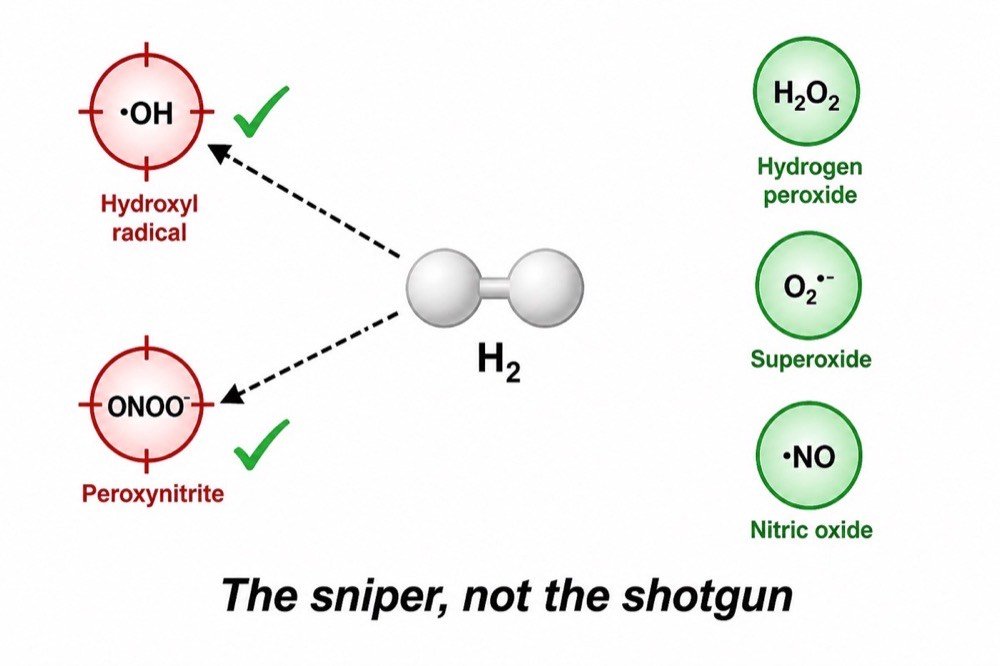
Most antioxidants neutralise free radicals indiscriminately — including the ones your body actually needs for immune response and cellular repair. Molecular hydrogen is different. It targets only the hydroxyl radical and peroxynitrite — the two most destructive oxidants in human biology — and leaves everything else untouched.
No overdose possibility. Molecular hydrogen doesn't accumulate in the body. Excess simply evaporates — exhaled through your lungs, diffused through your skin. No storage. No residue. No buildup. The U.S. FDA classifies hydrogen gas as GRAS (Generally Recognized As Safe). Zero known side effects.
1,300+ peer-reviewed studies since 2007. Over 200 clinical studies. 1,600+ researchers worldwide. Published in Nature Medicine, Scientific Reports, Medical Gas Research, and Journal of Lipid Research.
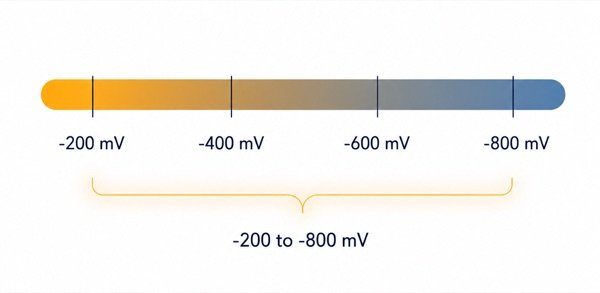
Negative ORP. Up to -800 mV.
Every body of water has a charge. A positive charge oxidises — takes electrons. A negative charge reduces — gives electrons. In plain language: positive ORP water is an electron taker. Negative ORP water is an electron giver.
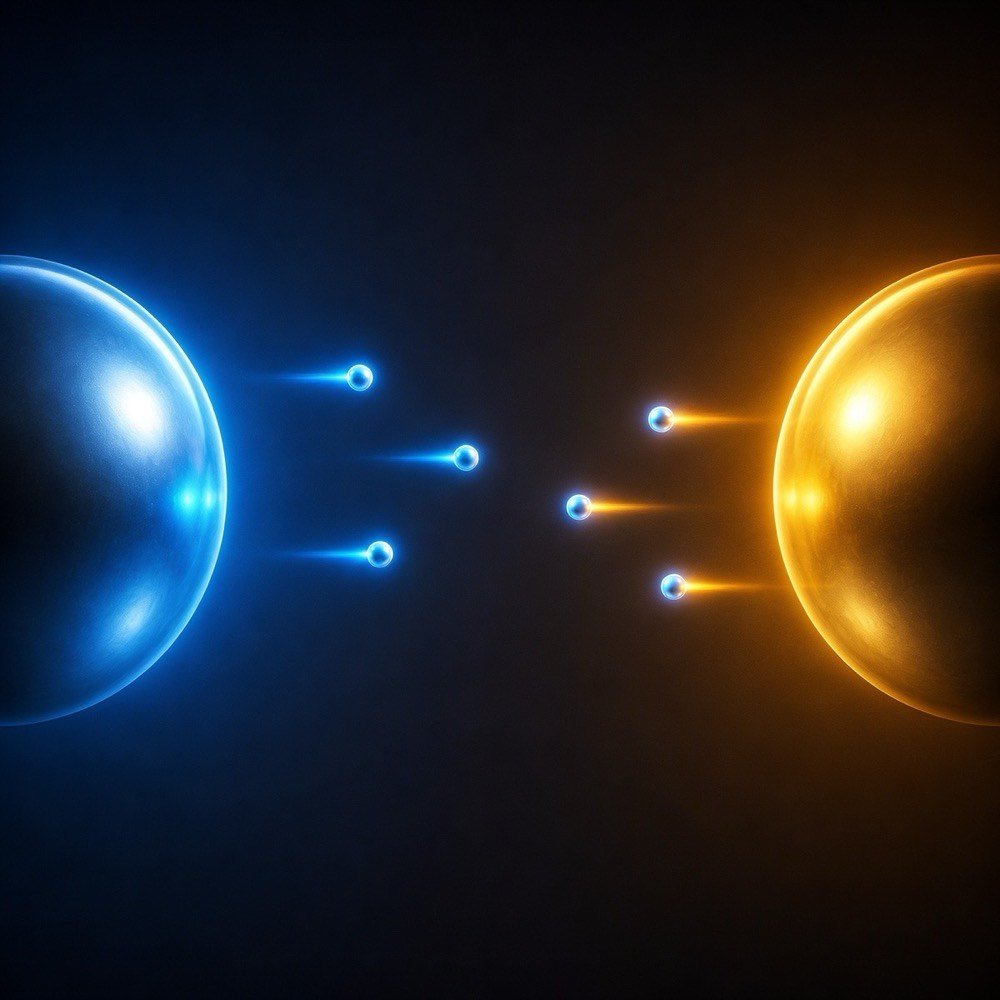
Lakes use negative ORP for self-purification. The world's renowned natural springs — Gangotri, Hunza Valley — all carry a negative charge. The body's own internal environment runs on the same principle: always on the reductive side.
The difference is not subtle.
Three properties. Stacked in every glass.
Alkaline pH. Molecular hydrogen. Negative ORP. They don't work in isolation — they stack. The full restructuring happens when all three are present in the same glass.
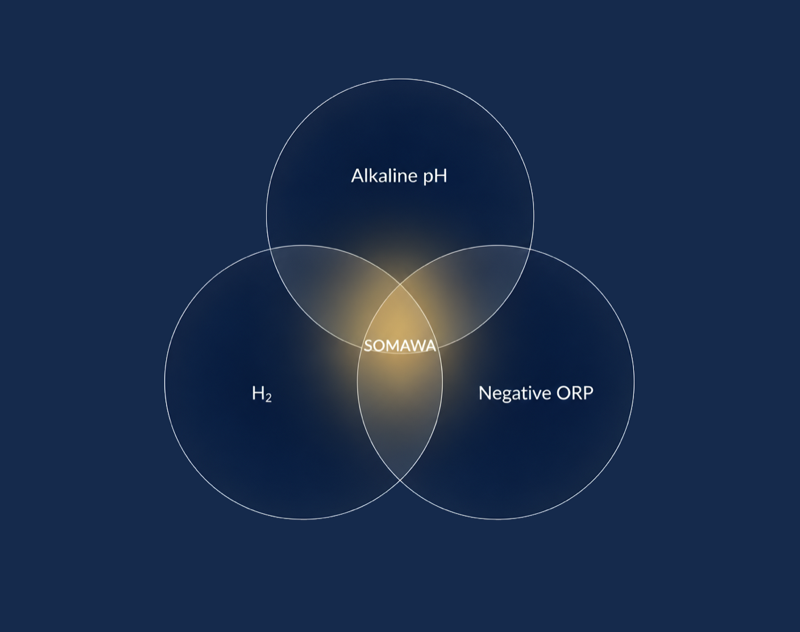
This is what separates a countertop ioniser from a hydrogen-only bottle or an alkaline-only filter. One property is a feature. Three properties are the science.
Engineered at every layer.
Institutionally backed.
The only alkaline water ionizer brand in India that carries institutional recognition from the National Research Development Corporation. Backed by the Ministry of Science & Technology, Government of India.
Read the full NRDC storyThe sources.
- Ohsawa, I. et al. "Hydrogen acts as a therapeutic antioxidant by selectively reducing cytotoxic oxygen radicals." Nature Medicine 13, 688–694 (2007).
- Warburg, O. "The Metabolism of Tumours." Nobel Prize-recognised research on cellular oxygenation and pH regulation (1931).
- Agre, P. "Aquaporin Water Channels." Nobel Prize in Chemistry for discovery of the water-channel protein (2003).
- Shirahata, S. et al. "Electrolyzed-reduced water scavenges active oxygen species and protects DNA from oxidative damage." Biochem Biophys Res Commun 234(1), 269–274 (1997).
- Kajiyama, S. et al. "Supplementation of hydrogen-rich water improves lipid and glucose metabolism." Nutrition Research 28(3), 137–143 (2008).
- Nakao, A. et al. "Effectiveness of hydrogen-rich water on antioxidant status." J Clin Biochem Nutr 46(2), 140–149 (2010).
- Ishibashi, T. et al. "Consumption of water containing a high concentration of molecular hydrogen reduces oxidative stress." Medical Gas Research 2, 27 (2012).
- Song, G. et al. "Hydrogen-rich water decreases serum LDL-cholesterol levels." Journal of Lipid Research 54, 1884–93 (2013).
- Ichihara, M. et al. "Beneficial biological effects and the underlying mechanisms of molecular hydrogen — comprehensive review of 321 original articles." Medical Gas Research 5, 12 (2015).
- Sim, M. et al. "Hydrogen-rich water reduces inflammatory responses and prevents apoptosis of peripheral blood cells in healthy adults." Scientific Reports 10, 12130 (2020).
- Lee, M.Y. et al. "Electrolyzed-reduced water protects against oxidative damage to DNA, RNA, and protein." Appl Biochem Biotechnol 135, 133–144 (2006).
- Hanaoka, K. et al. "The mechanism of the enhanced antioxidant effects against superoxide anion radicals of reduced water produced by electrolysis." Biophysical Chemistry 107, 71–82 (2004).
- WHO/Ministry of Jal Shakti — Drinking Water Quality Guidelines, pH 6.5–8.5 recommendation.
- ICMR-INDIAB — Indian Council of Medical Research, India Diabetes Study data on metabolic health trends.
Explore the range.

Modish
9 plates. 2000 PPB. The most powerful Somawa we make.

Amara
5 plates. Direct tap installation. Up to 200 TDS.

Amara NXT
5 plates. Post-RO installation. For TDS above 200.

Udaka
5 plates. Built-in RO + ionizer. One machine, complete solution.

Toya
1 plate. Available for existing SOMAWA customers.
The next step is a conversation.
A fifteen-minute consultation. No pressure, no commitment.
Reserve Your Consultation CallIndividual experience. Outcomes vary by person, condition, and lifestyle. Somawa products are wellness devices, not medical treatments.