In short During pregnancy, your body works twice as hard as it ever has — and your water matters more than most people realise. Six published studies, each reviewed by independent scientists, have looked at a tiny healing molecule in water called molecular hydrogen, how much water a mother drinks, and how it affects pregnancy. The findings all point the same way: this molecule helps your body manage the extra strain of pregnancy, supports the organ that feeds your baby, and improves outcomes for the baby in research studies. SOMAWA water carries three things you can measure live in your own kitchen: the healing molecule (up to 2,000 ppb), a strong self-healing score (ORP down to −1,000 mV — explained below), and mineral-rich alkaline water — every number shown on a meter before you believe a word.
From the moment you found out, you became a different kind of careful. You started reading labels on your food. You called your doctor with questions you had never thought to ask before. You checked every little thing — what you eat, what you breathe, what comes near your baby. That quiet, tireless love — nobody teaches it to a mother. It simply arrives.
That glass is the one thing you consume more of than anything else during pregnancy. Eight to twelve glasses a day, for forty weeks. It builds the amniotic fluid your baby floats in. It carries minerals to a skeleton being assembled from scratch. It runs through a placenta that is, at this very moment, doing the cleaning and repair work for two lives — yours and your baby's.
The water deserves the same scrutiny you gave the vitamin.
Pregnancy raises the body's internal oxidative load — the ordinary wear that comes with running a heart, a blood supply and a placenta at double speed for nine months. That mechanism, and what it has to do with hydration, is covered in our companion guide: drinking water during pregnancy.
What six published studies found
Six peer-reviewed studies, published between 2007 and 2018 in journals indexed on PubMed, have examined molecular hydrogen in the context of pregnancy, placental health, and oxidative stress. Findings include reduced hypertension and increased fetal weight in preeclampsia models, improved placental efficiency under stress, neuroprotective effects on offspring, and the foundational identification of H₂ as a selective antioxidant. Every study is citable, carries a DOI, and is available for you to read.
The foundational paper
In 2007, a landmark study published in Nature Medicine — one of the most respected science journals in the world — discovered something remarkable. Molecular hydrogen (the tiny healing molecule found in SOMAWA water) acts like a smart cleaner inside the body. Unlike other antioxidants that wipe out everything, hydrogen targets only the most harmful particles and leaves the helpful ones alone.[1] This study has been cited over 2,500 times by other scientists and opened an entirely new field of research.
Preeclampsia: what molecular hydrogen did in published models
Sakai et al. (2016), publishing in Free Radical Biology and Medicine, studied molecular hydrogen in the standard laboratory model used to study preeclampsia. Their findings were direct: mothers given hydrogen water showed significantly lower blood pressure, lower internal wear markers, and — most importantly — the babies weighed more and the placenta was healthier.[2]
The same direction appeared five years earlier. Yang et al. (2011), publishing in Placenta, found that hydrogen-rich water reduced the severity of preeclampsia by reducing both inflammation and internal wear on the body.[3] Two independent research groups, two different years, the same conclusion.
Placental stress: protection under restriction
Shi et al. (2018), publishing in Medical Gas Research, examined what happens to the placenta when a mother does not drink enough water — a situation that puts the placenta under strain and slows the baby's growth. The result: hydrogen-rich water measurably helped the placenta function better and protected it from damage, even under difficult conditions.[4]
Offspring outcomes: the long-term finding
Imai et al. (2018), publishing in Scientific Reports (a Nature journal), asked a different question: does the water a mother drinks during pregnancy affect her baby after it is born? Babies born to mothers who received hydrogen water showed significantly better outcomes — their brains were more protected against damage. The healing effect of the molecule crossed from the mother, through the placenta, and reached the developing baby.[5]
| Study | Year | Journal | Key finding |
|---|---|---|---|
| Ohsawa et al.[1] | 2007 | Nature Medicine | H₂ selectively neutralises cytotoxic radicals. Foundational paper, 2,500+ citations. |
| Yang et al.[3] | 2011 | Placenta | Hydrogen-rich saline reduced inflammation and oxidative stress in preeclampsia model. |
| Sakai et al.[2] | 2016 | Free Rad. Biol. Med. | H₂ reduced hypertension, increased fetal and placental weight in RUPP preeclampsia model. |
| Shi et al.[4] | 2018 | Medical Gas Research | Hydrogen-rich water improved placental efficiency and protected against restriction stress. |
| Imai et al.[5] | 2018 | Scientific Reports | Maternal H₂ produced neuroprotective effects in offspring — improved memory, preserved neuronal integrity. |
| Cochrane Review[6] | Updated | Cochrane Database | Simple maternal hydration increased amniotic fluid volume by a mean of 2.01 cm (systematic review, 4 trials, 122 women). |
Studies 1 through 5 are built on animal models. No large-scale randomised controlled trial of hydrogen water in pregnant women exists yet. We state this plainly because transparency is the difference between a brand that earns trust and one that borrows it. What the research provides is direction, consistency, and biological plausibility across multiple independent groups and journals — including two Nature publications. That is the strongest pre-clinical signal available.
How much water to drink, what a Cochrane review found about hydration and amniotic fluid, and whether jeera, lemon, hot or cold water are safe are all answered in the companion guide: drinking water during pregnancy.
The minerals your water carries — or strips away
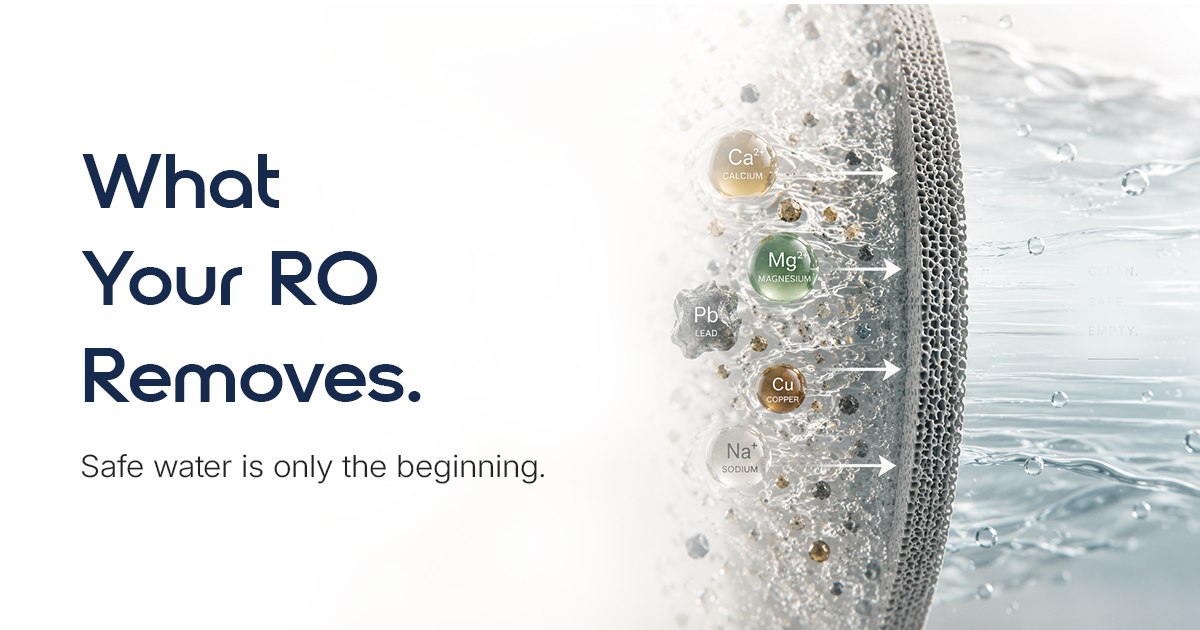
Calcium and magnesium are two minerals your baby needs most during pregnancy. Calcium builds your baby's bones. Magnesium helps muscles work properly and keeps blood pressure steady for the mother. The problem with RO water: it strips both minerals out. SOMAWA ionizers do the opposite — they retain the minerals and, when electric current passes through the water, supercharge them, making them more active and easier for your body to absorb.
A reverse-osmosis membrane cannot tell calcium from lead. It removes both. What comes out of your RO purifier is clean water — but water emptied of the very minerals a mother needs most when she is building a skeleton inside her body.
SOMAWA's ionizers work differently. When electric current passes through your water, it supercharges the calcium and magnesium already present — making them more energised and more available to your body — while the acidic waste separates out on the other side. The result is water that is clean, mineral-rich, and pH-adjusted. Not simply clean and empty.
This distinction matters during pregnancy more than at any other time in adult life. The baby takes what it needs. If the mother's intake is insufficient, the baby draws from her bones. The source of her minerals is not academic. It is structural.
Three measurable properties that separate SOMAWA water
SOMAWA water carries three measurable things — not marketing claims, but numbers you can verify on a meter right in your kitchen. First: dissolved molecular hydrogen, up to 2,000 ppb. Second: a self-healing score (ORP) as low as −1,000 mV — the water actively supports your body's own repair work. Third: mineral-rich alkaline pH carrying the calcium and magnesium your body needs most. Every number shown on a meter. Before you believe a single word.
Dissolved molecular hydrogen (H₂)
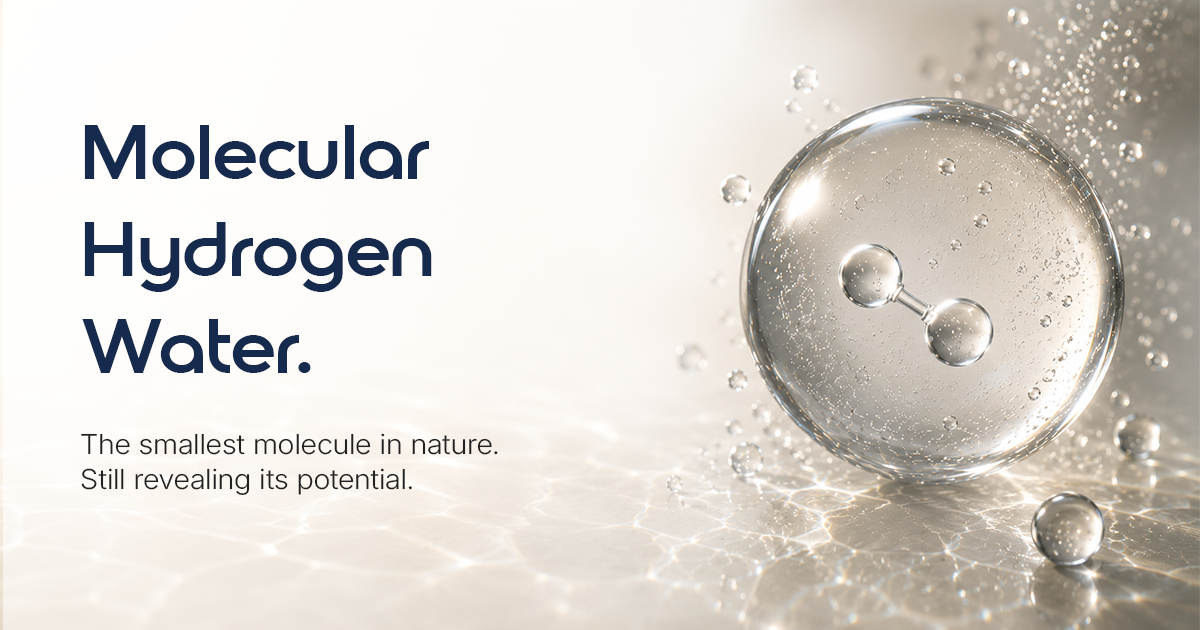
At 2 atomic mass units, molecular hydrogen is the smallest molecule in existence — roughly 88 times smaller than Vitamin C. Its size allows it to cross cell membranes, reach mitochondria, and — as the research above demonstrates — cross the maternal-fetal interface to reach the placenta and the developing brain.[5]
Every SOMAWA ionizer delivers a minimum of 1,500 ppb of dissolved hydrogen as standard across all models. The flagship Modish goes up to 2,000 ppb. Fresh at the tap. Measured on the spot before you drink a single glass.
ORP — Your Body's Self-Healing Score
Scientists first developed ORP to measure something you can picture easily: if a lake gets contaminated, how quickly can it clean and heal itself on its own? A lake with a strongly negative ORP score recovers fast. A lake with a positive ORP score stays polluted longer.
Your body works exactly the same way. Tap water scores around +200 to +400 — already "tired" water that asks more of your body than it gives. SOMAWA water scores as low as −800 (Amara) to −1,000 (Modish). For a mother whose body is doing double the repair work during pregnancy, this number is not a small detail.
Mineral-rich alkaline pH
Unlike bottled alkaline water that uses chemicals to raise pH, SOMAWA passes electric current through your tap water — which naturally raises the pH while supercharging the calcium and magnesium ions already in it. During pregnancy, SOMAWA recommends starting at pH 8.5 and adjusting only under guidance from your water expert and your doctor.
| Property | Tap / RO water | SOMAWA Amara | SOMAWA Modish |
|---|---|---|---|
| pH range | 6.5–7.5 | Up to 10.0 | Up to 10.5 |
| ORP | +200 to +400 mV | Down to −800 mV | Down to −1,000 mV |
| Dissolved H₂ | <0.1 ppb | Up to 1,500 ppb | Up to 2,000 ppb |
| Minerals | Stripped (RO) or variable (tap) | Retained & supercharged | Retained & supercharged |
| Electrode plates | N/A | 7 platinum-titanium | 9 platinum-sintered titanium |
Safety: what we know
Molecular hydrogen has no known toxicity. It is naturally produced by gut bacteria during fibre fermentation — your body already encounters and processes H₂ daily. No adverse effects have been reported in any published hydrogen water study, including the pregnancy-specific research cited above. The Ohsawa (2007) study in Nature Medicine confirmed no mutagenicity in rodent or human models.[1]
Alkaline ionized water at pH 8.5 to 9.5 is within the range considered safe for daily consumption. India's BIS IS 10500:2012 standard sets acceptable drinking-water pH at 6.5 to 8.5. During pregnancy, SOMAWA recommends starting at a mild alkaline level (pH 8.5) and adjusting only under guidance from your SOMAWA water expert and your doctor.
Your doctor's guidance always comes first. SOMAWA is a water choice, not a medical intervention. We are confident in what the research shows about molecular hydrogen and oxidative stress. We are equally clear that pregnancy is a time to make every decision — including water — in partnership with your healthcare provider.
The SOMAWA position
SOMAWA does not claim to treat, cure, or prevent any condition. What we do is provide water with three measurable properties — dissolved molecular hydrogen, negative ORP, and mineral-rich alkaline pH — that published research has linked to reduced oxidative stress, improved placental function, and better fetal outcomes. We show the numbers. Your body decides what to do with them.
Many of our customers who are expecting mothers have chosen SOMAWA water as their daily water during pregnancy. They report that it tastes smoother, that they drink more of it, and that they feel better hydrated. We share that as their experience — not as a medical finding.
The research base is strong, published, and growing. The direction is consistent across six independent studies and five journals. The molecule — H₂ — is the same one your gut bacteria already produce. And the water is made fresh at your tap, seconds before you drink it.
You would never take a prenatal vitamin without reading the label. You would never choose a hospital without research. The water you drink more of than anything else during the most important nine months of your life deserves the same standard.
SOMAWA is the only Indian alkaline water ionizer brand institutionally backed by NRDC, Government of India — and the only one that shows you the numbers before you believe a word.
Questions people actually ask
Is alkaline water safe during pregnancy?
Yes. Alkaline ionized water at pH 8.5 to 9.5 is generally considered safe for daily consumption, including during pregnancy. Molecular hydrogen has no known toxicity and is naturally produced by gut bacteria. No adverse effects have been reported in any published hydrogen water study. That said, every pregnancy is different — discuss any change in your water or diet with your doctor.
Can pregnant women drink SOMAWA water?
Many expecting mothers choose SOMAWA water as their daily drinking water during pregnancy. We recommend starting at a mild alkaline level (pH 8.5) and adjusting only under guidance from your SOMAWA water expert and your healthcare provider. The dissolved molecular hydrogen and mineral content are considered safe; the key is calibrating the pH to your body's needs during this period.
What does molecular hydrogen do during pregnancy?
Molecular hydrogen is the smallest molecule in existence. Research shows it acts like a smart cleaner inside the body: it targets only the most harmful particles and leaves the helpful ones alone. In pregnancy studies, mothers who received hydrogen water showed lower blood pressure, better placental function, babies weighed more at birth, and babies' brains showed better protection. Findings published in Scientific Reports (Nature), Free Radical Biology and Medicine, and Placenta.
Is RO water good for pregnant women?
RO water is clean, but it is mineral-stripped. A reverse-osmosis membrane removes contaminants alongside beneficial minerals like calcium and magnesium — both critical during pregnancy for skeletal development and vascular health. RO makes water safe to drink, but it does not make it mineral-rich. If RO is your only source, mineral supplementation or remineralisation becomes important.
What is preeclampsia and how does it relate to water?
Preeclampsia is a pregnancy complication where blood pressure rises too high — affecting roughly five to eight out of every hundred pregnancies. Research shows that too much internal wear on the body (oxidative stress) plays a central role in how this develops. Two independent research teams found that molecular hydrogen — the healing molecule in SOMAWA water — reduced the signs of this complication in laboratory studies.
Are these studies done on humans or animals?
The pregnancy-specific hydrogen studies (Sakai 2016, Yang 2011, Shi 2018, Imai 2018) are animal models. The Cochrane hydration review is a human systematic review. The foundational Ohsawa (2007) study established H₂ safety in both rodent and human contexts. No large-scale human RCT of hydrogen water in pregnant women exists yet. We state this transparently because confidence and honesty are the same thing.
How much water should I drink during pregnancy?
Most guidelines recommend eight to twelve glasses (approximately 2.3 to 3 litres) of water daily during pregnancy, with needs increasing in the third trimester and in hot climates. The quality of water matters alongside the quantity — mineral content, pH, and dissolved hydrogen are properties worth considering when choosing your primary drinking water.
What pH level is recommended during pregnancy?
During pregnancy, SOMAWA recommends starting at pH 8.5 and adjusting gradually under guidance from your SOMAWA water expert and doctor. India's BIS IS 10500:2012 standard sets acceptable drinking-water pH at 6.5 to 8.5. Higher settings should only be used under professional guidance. Your doctor's advice always takes priority.
What SOMAWA products are available for expecting mothers?
SOMAWA's full product range — Amara, Amara NXT, Udaka, and the flagship Modish — is suitable for use during pregnancy. Each is built with platinum-titanium electrode plates, engineered to a 25-year operational standard, and serviced directly by SOMAWA technicians within 24 hours across 500+ cities. For portable hydrogen water, SOMAWA also offers Toya.
क्या प्रेग्नेंसी में अल्कलाइन वॉटर पीना सुरक्षित है?
हाँ। pH 8.5 से 9.5 तक का अल्कलाइन आयनाइज़्ड पानी रोज़ाना पीने के लिए सुरक्षित माना जाता है, प्रेग्नेंसी सहित। मॉलिक्यूलर हाइड्रोजन की कोई ज्ञात विषाक्तता नहीं है और यह आपके शरीर में पहले से मौजूद है — आपके गट बैक्टीरिया फाइबर पचाते समय इसे बनाते हैं। SOMAWA सलाह देता है कि प्रेग्नेंसी में हल्के अल्कलाइन स्तर (pH 8.5) से शुरू करें और अपने डॉक्टर से सलाह लें।
क्या RO पानी प्रेग्नेंसी में अच्छा है?
RO पानी साफ़ होता है, लेकिन मिनरल-रहित। RO मेम्ब्रेन कैल्शियम और मैग्नीशियम को भी निकाल देता है — दोनों प्रेग्नेंसी में बहुत ज़रूरी हैं। SOMAWA आयनाइज़र मिनरल्स निकालता नहीं, बल्कि अल्कलाइन साइड में उन्हें कॉन्सेंट्रेट करता है। अगर आप सिर्फ़ RO पानी पी रही हैं, तो मिनरल सप्लीमेंटेशन पर ध्यान दें।
Sources
- Ohsawa, I., Ishikawa, M., Takahashi, K. et al. “Hydrogen acts as a therapeutic antioxidant by selectively reducing cytotoxic oxygen radicals.” Nature Medicine, 13, 688–694 (2007). doi:10.1038/nm1577
- Sakai, T., Sato, B., Hoshi, K. et al. “Molecular hydrogen ameliorates several characteristics of preeclampsia in the Reduced Uterine Perfusion Pressure (RUPP) rat model.” Free Radical Biology and Medicine, 101, 524–533 (2016). doi:10.1016/j.freeradbiomed.2016.10.491
- Yang, Y., Li, B., Liu, C. et al. “Protective effects of hydrogen-rich saline in preeclampsia rat model.” Placenta, 32(9), 681–686 (2011). doi:10.1016/j.placenta.2011.06.020
- Shi, Q.Y., Zhang, X.J., Liu, X.J. et al. “Hydrogen-rich water ameliorates rat placental stress induced by water restriction.” Medical Gas Research, 8(3), 111–116 (2018). doi:10.4103/2045-9912.241064
- Imai, K., Kotani, T., Tsuda, H. et al. “Administration of molecular hydrogen during pregnancy improves behavioral abnormalities of offspring in a maternal immune activation model.” Scientific Reports, 8, 9221 (2018). doi:10.1038/s41598-018-27626-4
- Hofmeyr, G.J., Gülmezoglu, A.M., Novikova, N. “Maternal hydration for increasing amniotic fluid volume in oligohydramnios and normal amniotic fluid volume.” Cochrane Database of Systematic Reviews. doi:10.1002/14651858.CD000134.pub4
The SOMAWA range
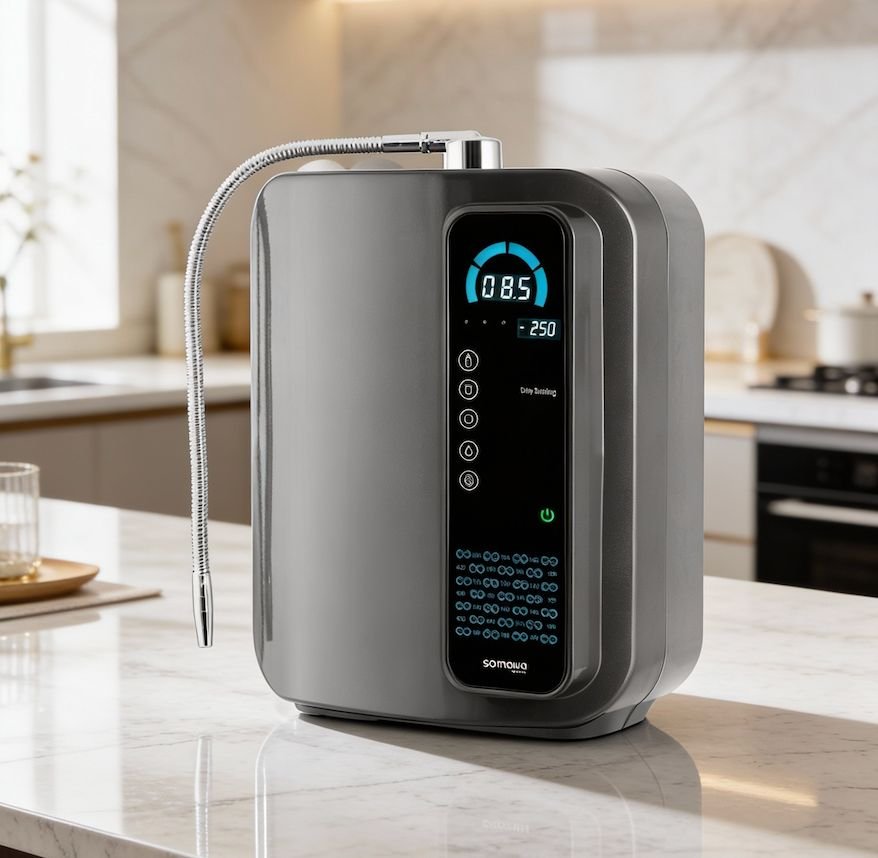 Amara
Amara
Pipeless AFS design. Think beyond health.
Learn more →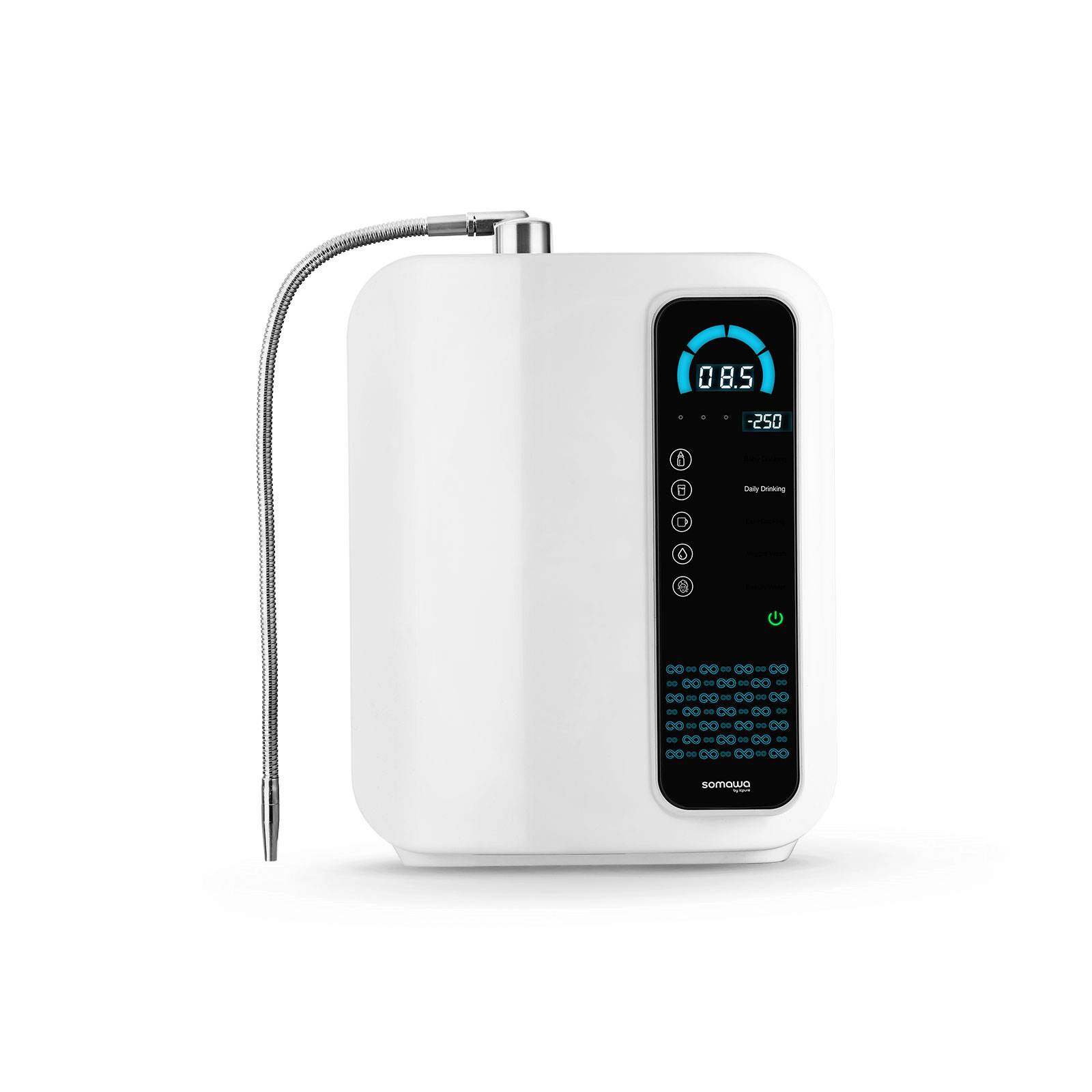 Amara NXT
The Amara platform, taken further.
Learn more →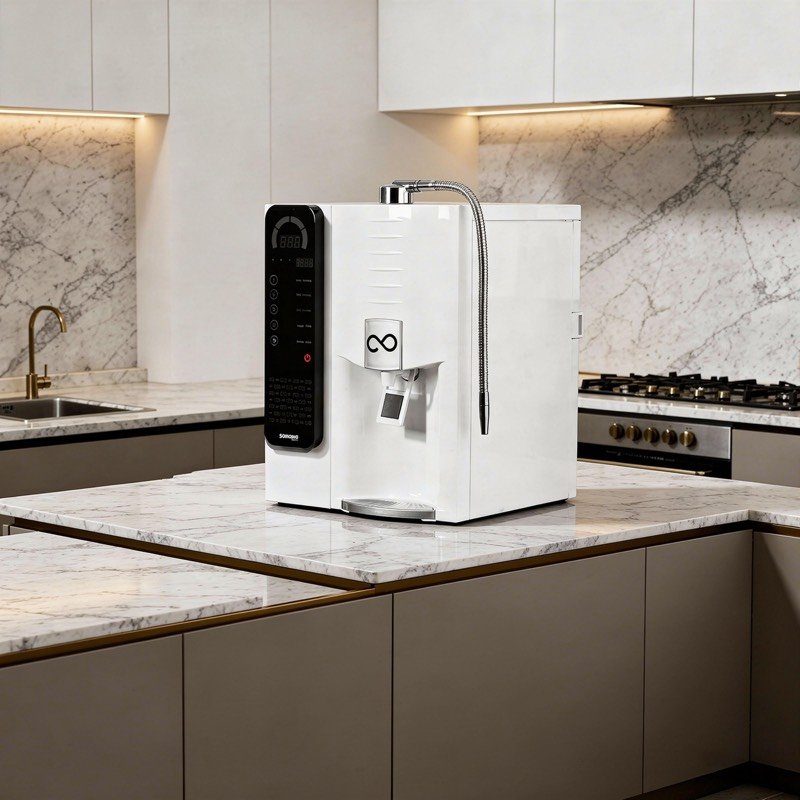 Udaka
Udaka
Built-in RO and ionisation in one unit.
Learn more →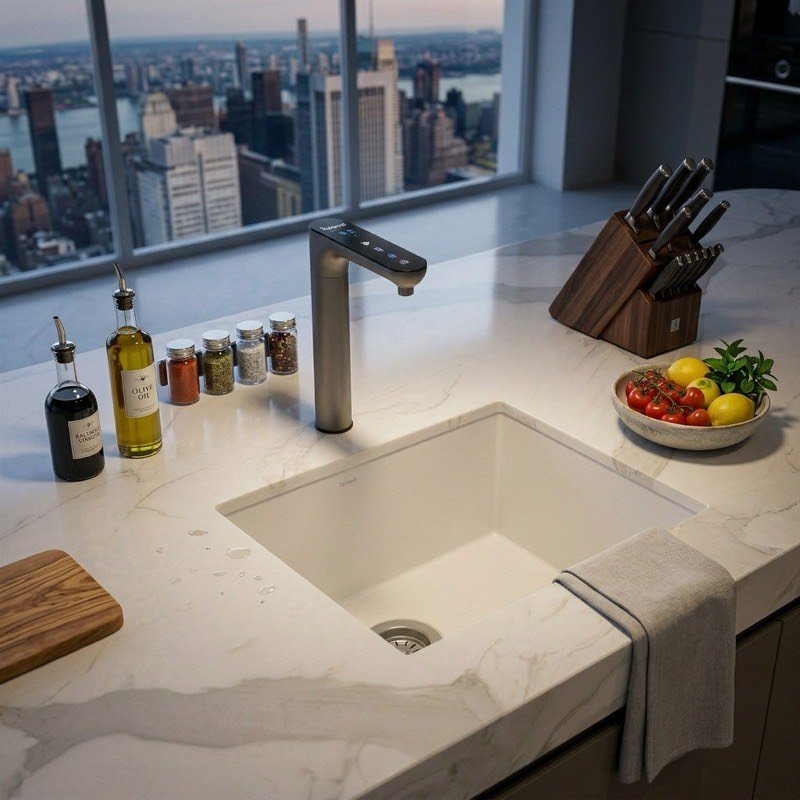 Modish
Nine plates. Designed to make a difference.
Learn more →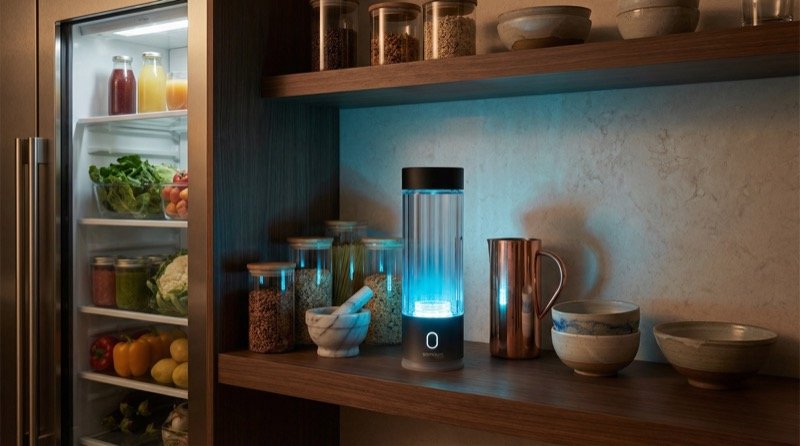 Toya
Toya
Experiential water. Infuses life in every drop.
Learn more →SOMAWA products are wellness devices, not medical treatments. Nothing on this page is medical advice. Customer experiences are individual and vary; they are shared as wellness outcomes, not clinical results. Research cited is indexed with DOIs where available. SOMAWA is incubated under NRDC, an enterprise of DSIR, Ministry of Science and Technology, Government of India.