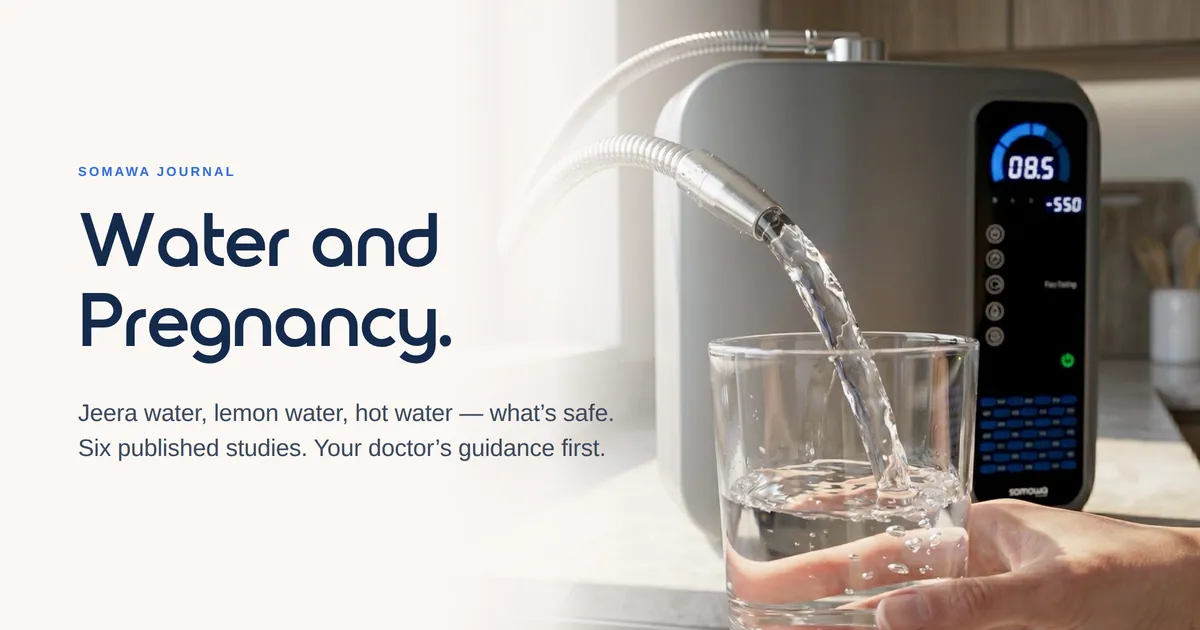
Pregnant women need 2–3 litres (8–12 glasses) of water daily. Jeera water, ginger water, and lemon water are generally safe in food amounts. Cold water does not harm the baby. Alkaline water at pH 8.5 is not contraindicated. Every recommendation in this guide is backed by published research.
From the moment you found out, you became a different kind of careful. You check every label, every ingredient, every little thing. But the one thing you consume more of than anything else during these nine months — water — often gets the least scrutiny. This guide covers every drink, every question, every old belief. Honestly.
How Much Water Should You Drink During Pregnancy?
A pregnant woman needs significantly more water than usual — approximately 8 to 12 glasses (2 to 3 litres) daily, increasing in the third trimester and in hot weather. The standard starting point is 35ml per kg of body weight. But quantity alone is not the whole story. The quality and absorption of water matters as much as the volume, especially during pregnancy.
(general guideline)
recommended
trimester & heat
Water does things during pregnancy that nothing else can. It builds the amniotic fluid your baby floats in — the fluid that cushions, nourishes, and protects the developing baby. It carries minerals across the placenta. It keeps the mother's blood volume expanded (which naturally increases by 40 to 50% during pregnancy). And a Cochrane systematic review of four clinical trials found that simple maternal hydration increased amniotic fluid volume by a measurable amount in women with low fluid levels.[6]
Signs that you are not drinking enough: dark yellow urine, dizziness when standing, headaches, and a dry mouth. More serious dehydration during pregnancy has been linked to reduced amniotic fluid, early contractions, and increased pregnancy complications. The solution is consistent, daily hydration — not just when you feel thirsty.
| Body Weight | Daily Water Target | Approx. Glasses (250ml) |
|---|---|---|
| 50 kg | 1,750 ml | ~7 glasses |
| 60 kg | 2,100 ml | ~8–9 glasses |
| 70 kg | 2,450 ml | ~10 glasses |
| 80 kg | 2,800 ml | ~11–12 glasses |
| 90+ kg | 3,150 ml+ | 12+ glasses |
Jeera Water, Cumin Water, Ginger Water and Other Indian Drinks During Pregnancy
Indian kitchens have always known something that modern research is now catching up to: certain boiled or infused waters carry real benefits during pregnancy. Jeera water, ginger water, barley water, and ajwain water have all been used by Indian mothers for generations. Most are safe in moderate amounts. A few need care. Here is what the science says about each.
Boiled cumin water aids digestion, reduces bloating, and helps with the common pregnancy complaint of gas and indigestion. According to the American College of Obstetricians and Gynecologists, cumin in food quantities has a long record of safe use and supports normal digestive function. Drink warm, in moderation — one to two cups daily. Avoid concentrated extracts or cumin essential oil during pregnancy.
Ginger is one of the most studied natural remedies for pregnancy nausea. Clinical evidence supports up to 1g of ginger daily for morning sickness. Ginger water — warm water with a few slices steeped — is a gentler form. Avoid concentrated ginger supplements. Warm ginger water is considered safe in the first trimester when nausea peaks.
Barley water has long been used in Indian homes for urinary health and digestion. It is a natural mild diuretic and has long been taken for urinary comfort. Urinary infections do become more common during pregnancy — those need a doctor and proper treatment, not a home drink. Rich in fibre and B vitamins. Safe during pregnancy when consumed as a drink, not as a supplement. Homemade unsweetened barley water is the best form.
Ajwain water helps with gas, bloating, and digestion — common pregnancy discomforts. However, ajwain (carom seeds) in large quantities can stimulate uterine contractions. Small amounts in cooking or a weak ajwain water once or twice a week is generally considered fine. Avoid concentrated preparations, especially in the first trimester. When in doubt, check with your doctor.
Fennel water helps with bloating and digestive discomfort. A mild fennel tea or saunf-boiled water is a common Indian remedy for post-meal digestion and gas. Safe in food quantities during pregnancy. As with all herbal preparations, moderation is key — fennel in food amounts is fine, concentrated fennel supplements are not recommended during pregnancy.
Fresh coconut water is one of the best hydration choices during pregnancy. It is naturally isotonic (similar composition to the body's own fluids), rich in potassium, magnesium, and electrolytes, and has a mild alkaline pH. It helps with nausea, hydration, and blood pressure. One glass daily is widely recommended by Indian doctors during pregnancy.
These drinks sit on top of your water habit — they do not replace it. None of them counts towards your daily water target the way plain water does, and none of them should be taken in concentrated, extract or supplement form during pregnancy. Food quantities, once or twice a day, is the standard that applies to every drink on this list.
Lemon Water During Pregnancy: Safe, Beneficial, and Misunderstood
Warm lemon water during pregnancy is safe and genuinely helpful — it eases morning nausea, improves hydration, provides Vitamin C (which your body cannot make on its own), and helps with constipation. The one thing it does not do, despite the popular belief, is make your body alkaline at the moment you drink it. Lemon juice is pH 2 to 3 — strongly acidic — at consumption.
Lemon water's real benefits during pregnancy are worth naming clearly. Vitamin C supports collagen production (important for the baby's developing connective tissue), helps absorb iron from food (critical in pregnancy), and supports the immune system. Citric acid in lemon can reduce kidney stone risk, which matters because pregnancy increases kidney stone susceptibility. The hydration habit lemon water creates — because it tastes better — may be its single greatest contribution.
The confusion comes from the phrase "lemon makes the body alkaline." This is technically true but often misunderstood. After lemon is digested, it leaves an alkaline trace in the urine. But between the moment you drink it and the moment it reaches your blood, it travels through your food pipe, stomach, and intestines at pH 2 to 3. Drinking it every morning for years slowly softens tooth enamel. The alkaline trace left in urine after digestion is a different thing from the pH of what you actually drank.
For a pregnant mother: lemon water is a safe, beneficial daily habit. Drink it through a straw where you can, rinse your mouth with plain water afterwards, and treat it as one part of the day rather than a replacement for the plain water you still need.
Hot Water During Pregnancy: Benefits, Safe Temperature, and What to Avoid
Hot water during pregnancy is safe and beneficial — within the right temperature range. Warm water (40–50°C) stimulates digestion, eases nausea, reduces constipation, and improves circulation. Water that is too hot (above 50–55°C) carries a small risk of oesophageal discomfort and should be avoided. Very hot beverages are also associated with a slightly increased acidity risk in the stomach. Comfortably warm, not scalding, is the right standard.
Indian mothers have always known that warm water helps with digestion, and modern gastroenterology confirms this. Warm water relaxes the smooth muscle of the digestive tract, helps food move through more easily, and reduces cramping. During pregnancy, when constipation and digestive discomfort are common in the second and third trimesters, warm water in the morning on an empty stomach can make a real, practical difference.
What warm water does not do is act as a treatment. The thermal effect on metabolism fades in 20 to 30 minutes, and the digestive benefit stays in the gut. If constipation, reflux or cramping is persistent through the second and third trimesters, warm water helps with comfort — it is not a substitute for raising it at your next appointment.
Comfortably warm (40–50°C): Safe and beneficial for digestion. Moderately hot (50–55°C): Occasional use is generally fine. Scalding hot (above 60°C): Avoid — risk of discomfort and oesophageal irritation with daily use. The test: if you can drink it comfortably without blowing on it first, the temperature is appropriate.
Can You Drink Cold Water During Pregnancy? The Honest Answer
Yes, cold water is safe during pregnancy. The common Indian belief that cold water harms the baby, causes the baby to be larger, or triggers complications is not supported by published medical evidence. The baby is maintained at a stable internal temperature by the body regardless of the temperature of the water you drink. Cold water becomes room temperature within minutes of entering the digestive system.
That said, some pregnant women find cold water triggers nausea, especially in the first trimester when morning sickness is strongest. If cold water makes you feel worse, room temperature or warm water is a practical better choice — not because it is medically superior, but because you are more likely to drink consistently when water is comfortable.
Cold water and room temperature water are identical in every way that matters internally — temperature changes the sensation of drinking, not what your body receives. So choose whichever temperature you will actually drink consistently through the day. In an Indian summer that is usually cool water; in the first trimester with nausea it is usually warm. Both are fine.
Alkaline Water During Pregnancy: The Short Answer
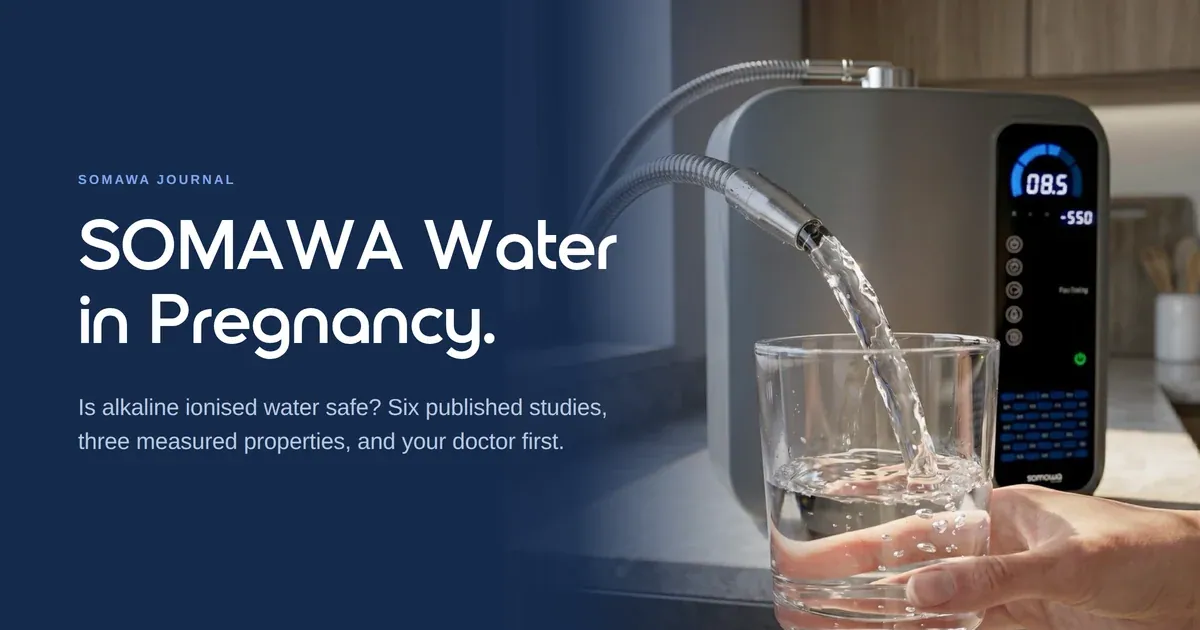
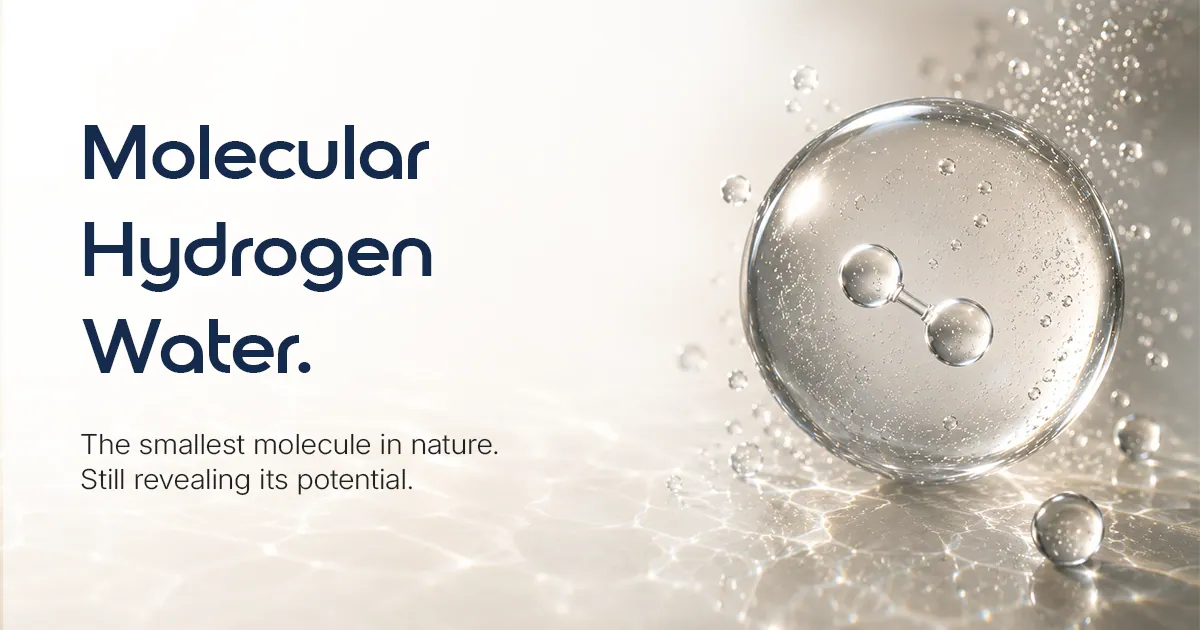
Alkaline water at pH 8.5 is generally considered safe during pregnancy. It is a different question from every drink above, because it is not something you add to your water — it is a change to the water itself. Six peer-reviewed studies published between 2007 and 2018 have examined molecular hydrogen in the context of pregnancy, placental health and oxidative stress. Five of the six are animal models. We say that plainly.
Jeera, lemon, ginger and warm water all work on top of your water. They add flavour, nutrients and traditional benefit, and the sections above cover each of them honestly. What none of them changes is the water underneath — its pH at the moment you drink it, its antioxidant charge, or its dissolved hydrogen. That is a separate conversation, and it deserves more room than the last section of a hydration guide.
SOMAWA water is independently certified by the National Research Development Corporation (NRDC), an enterprise of India's Ministry of Science and Technology — the only NRDC-certified alkaline water ioniser brand in India.
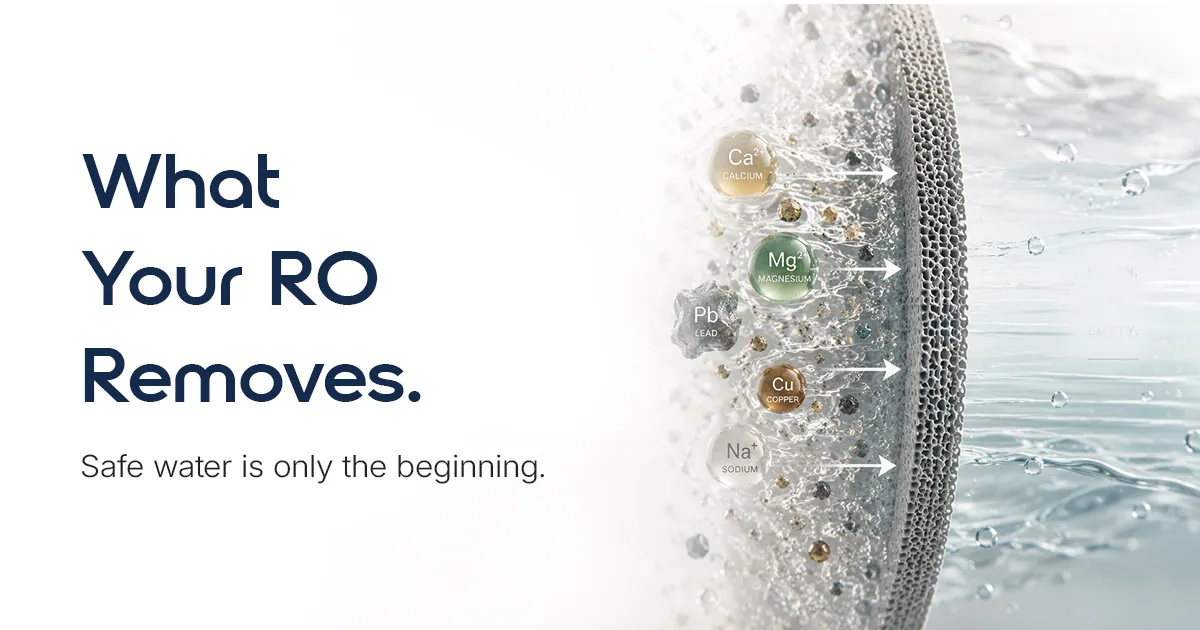
Read the full answerThe safety evidence, all six published studies with DOI links, what reverse osmosis strips out of your water, and the three properties SOMAWA water is measured on are covered here: Alkaline water in pregnancy — what the research actually says.
Whatever you decide about your water, decide it alongside your doctor. Pregnancy is the one time to run every addition to your day past the person looking after you — including this one.
Questions people actually ask
How much water should a pregnant woman drink daily?
Most guidelines recommend 8 to 12 glasses (approximately 2 to 3 litres) of water daily during pregnancy, increasing in the third trimester and in hot weather. A practical rule: aim for 35ml per kg of body weight. Signs of insufficient intake include dark yellow urine, headaches, and dizziness. Consistent daily hydration is more important than reaching an exact target on any one day.
Is jeera water safe during pregnancy?
Yes, jeera water (cumin water) is generally safe during pregnancy in moderate amounts — one to two cups daily. It helps with digestion, bloating, and gas, which are common pregnancy discomforts. Avoid very large quantities. Boiled cumin water in food amounts has been used safely across generations of Indian pregnancies. If you have any concerns, check with your doctor.
Is lemon water safe during pregnancy?
Yes, lemon water is safe during pregnancy and genuinely helpful for nausea, hydration, and Vitamin C intake. Be aware that lemon juice is pH 2 to 3 — strongly acidic at consumption — and regular daily use over months can slowly soften tooth enamel. Drink through a straw when possible and rinse your mouth with plain water after. The belief that lemon water makes the body alkaline is true only after digestion, not at the moment of drinking.
Is hot water safe during pregnancy?
Yes, warm to moderately hot water (40–55°C) is safe during pregnancy and beneficial for digestion, constipation relief, and nausea. Avoid scalding hot water (above 60°C), which can irritate the oesophagus with regular use. The thermal benefit on metabolism lasts 20 to 30 minutes. Warm water's digestive benefits are its primary value during pregnancy.
Can I drink cold water during pregnancy?
Yes, cold water is safe during pregnancy. The belief that cold water harms the baby or causes complications is not supported by published medical evidence. Cold water becomes room temperature within minutes of entering the digestive system; the baby's temperature is maintained by the mother's body regardless. If cold water worsens nausea, room temperature water may simply be more comfortable — but it is not medically superior.
Is barley water safe during pregnancy?
Yes, homemade unsweetened barley water is safe during pregnancy and traditionally used in Indian homes for urinary health, digestive comfort, and hydration. It is a natural mild diuretic and rich in B vitamins and fibre. It has long been taken for urinary comfort. Urinary infections do become more common during pregnancy, and those need medical treatment — barley water is not a substitute for it. One to two glasses daily is a reasonable amount. Avoid commercial barley drinks with added sugar or flavouring.
Is ginger water safe during pregnancy?
Yes, warm ginger water is safe during pregnancy in moderate amounts and is one of the best-researched natural remedies for morning sickness. Clinical evidence supports up to 1g of ginger daily for pregnancy nausea. Warm ginger water (a few slices steeped in warm water) is a gentle form. Avoid concentrated ginger supplements or extracts during pregnancy. Fresh ginger in cooking and as a warm drink is well within safe food-level consumption.
Does hydration affect amniotic fluid levels?
Yes, directly. A Cochrane systematic review of four clinical trials found that maternal hydration increased amniotic fluid volume by a mean of 2.01 cm in women with low amniotic fluid (oligohydramnios). Amniotic fluid turns over completely every three hours — the mother's hydration is constantly replenishing it. Consistent daily water intake is one of the most evidence-backed actions a pregnant woman can take for her baby's fluid environment.
प्रेग्नेंसी में कितना पानी पीना चाहिए?
प्रेग्नेंसी में रोज़ 8 से 12 गिलास (2 से 3 लीटर) पानी पीने की सलाह दी जाती है — तीसरी तिमाही में और गर्मियों में थोड़ा ज़्यादा। पानी एम्नियोटिक फ्लूइड बनाता है, पोषण पहुँचाता है, और प्लेसेंटा को सहारा देता है। Cochrane रिव्यू में पाया गया कि सही हाइड्रेशन से एम्नियोटिक फ्लूइड बढ़ता है।
क्या प्रेग्नेंसी में जीरा पानी पी सकते हैं?
हाँ, जीरा पानी प्रेग्नेंसी में सुरक्षित है — दिन में एक से दो कप तक। यह पाचन में मदद करता है, गैस और पेट फूलने की समस्या को कम करता है। बहुत ज़्यादा मात्रा में न लें। अगर कोई संदेह हो तो अपने डॉक्टर से पूछें।
Sources
- Ohsawa, I., Ishikawa, M., Takahashi, K. et al. “Hydrogen acts as a therapeutic antioxidant by selectively reducing cytotoxic oxygen radicals.” Nature Medicine, 13, 688–694 (2007). doi:10.1038/nm1577
- Sakai, T., Sato, B., Hoshi, K. et al. “Molecular hydrogen ameliorates several characteristics of preeclampsia in the Reduced Uterine Perfusion Pressure (RUPP) rat model.” Free Radical Biology and Medicine, 101, 524–533 (2016). doi:10.1016/j.freeradbiomed.2016.10.491
- Yang, Y., Li, B., Liu, C. et al. “Protective effects of hydrogen-rich saline in preeclampsia rat model.” Placenta, 32(9), 681–686 (2011). doi:10.1016/j.placenta.2011.06.020
- Shi, Q.Y., Zhang, X.J., Liu, X.J. et al. “Hydrogen-rich water ameliorates rat placental stress induced by water restriction.” Medical Gas Research, 8(3), 111–116 (2018). doi:10.4103/2045-9912.241064
- Imai, K., Kotani, T., Tsuda, H. et al. “Administration of molecular hydrogen during pregnancy improves behavioral abnormalities of offspring in a maternal immune activation model.” Scientific Reports, 8, 9221 (2018). doi:10.1038/s41598-018-27626-4
- Hofmeyr, G.J., Gülmezoglu, A.M., Novikova, N. “Maternal hydration for increasing amniotic fluid volume in oligohydramnios and normal amniotic fluid volume.” Cochrane Database of Systematic Reviews. doi:10.1002/14651858.CD000134.pub4
The SOMAWA range
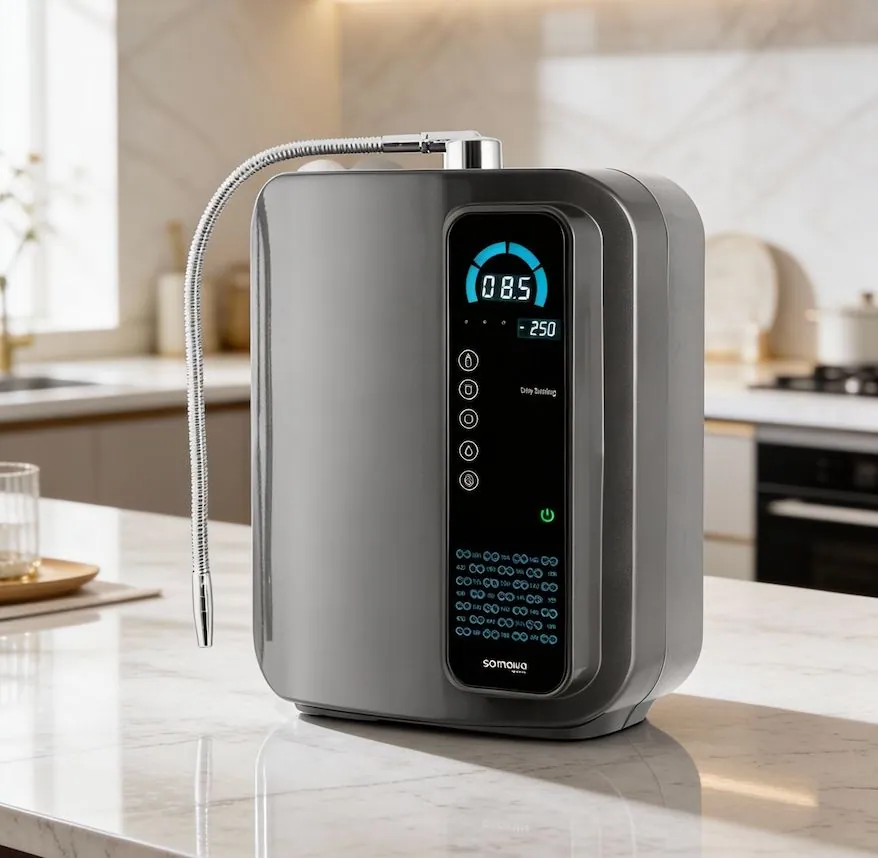 Amara
Amara
Pipeless AFS design. Think beyond health.
Learn more →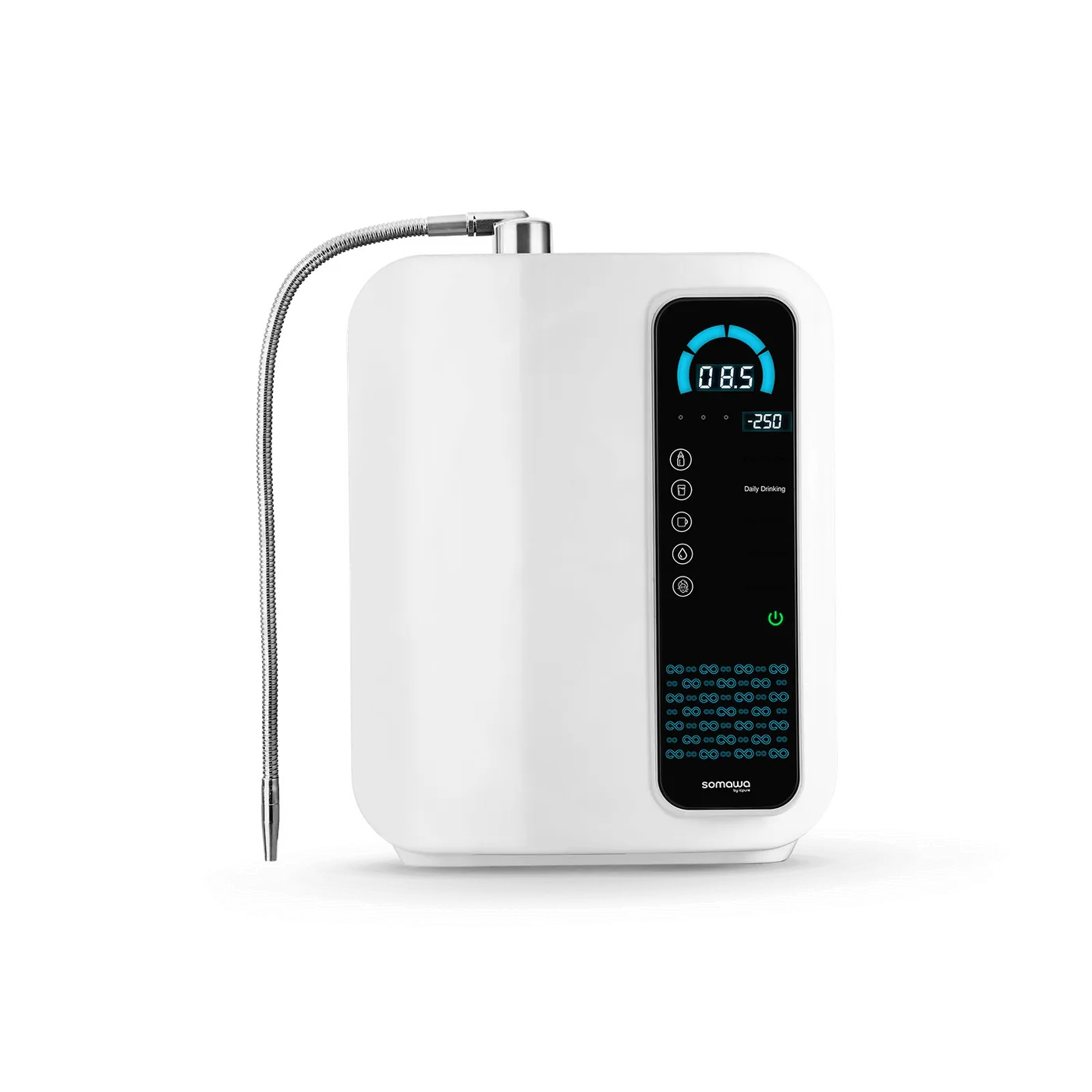 Amara NXT
The Amara platform, taken further.
Learn more →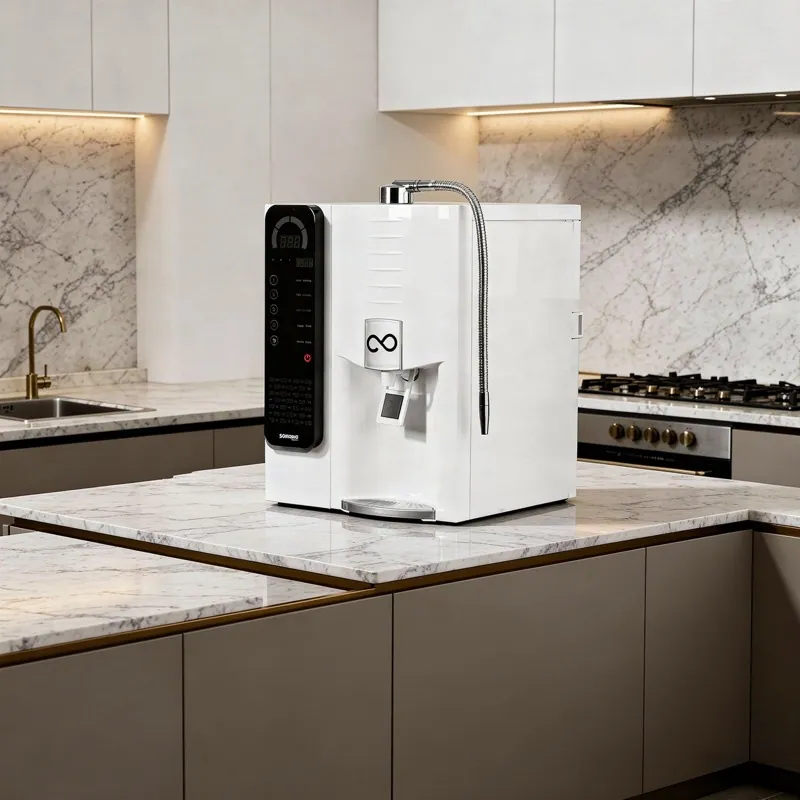 Udaka
Udaka
Built-in RO and ionisation in one unit.
Learn more → Modish
Nine plates. Designed to make a difference.
Learn more →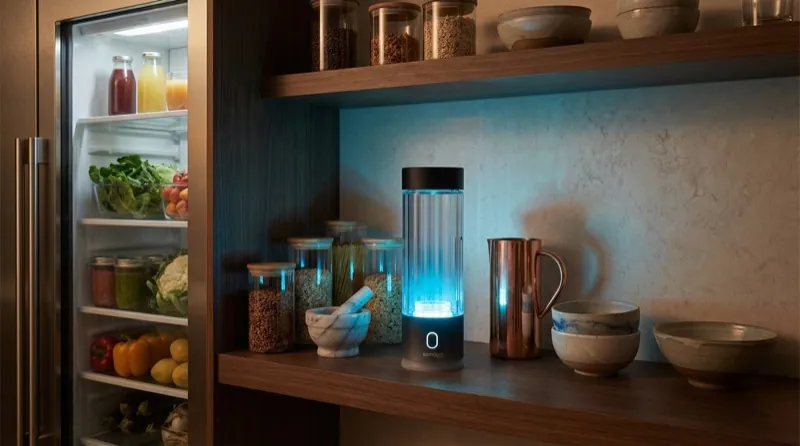 Toya
Toya
Experiential water. Infuses life in every drop.
Learn more →SOMAWA products are wellness devices, not medical treatments. Nothing on this page is medical advice. Customer experiences are individual and vary; they are shared as wellness outcomes, not clinical results. Research cited is indexed with DOIs where available. SOMAWA is incubated under NRDC, an enterprise of DSIR, Ministry of Science and Technology, Government of India.